admin
admin 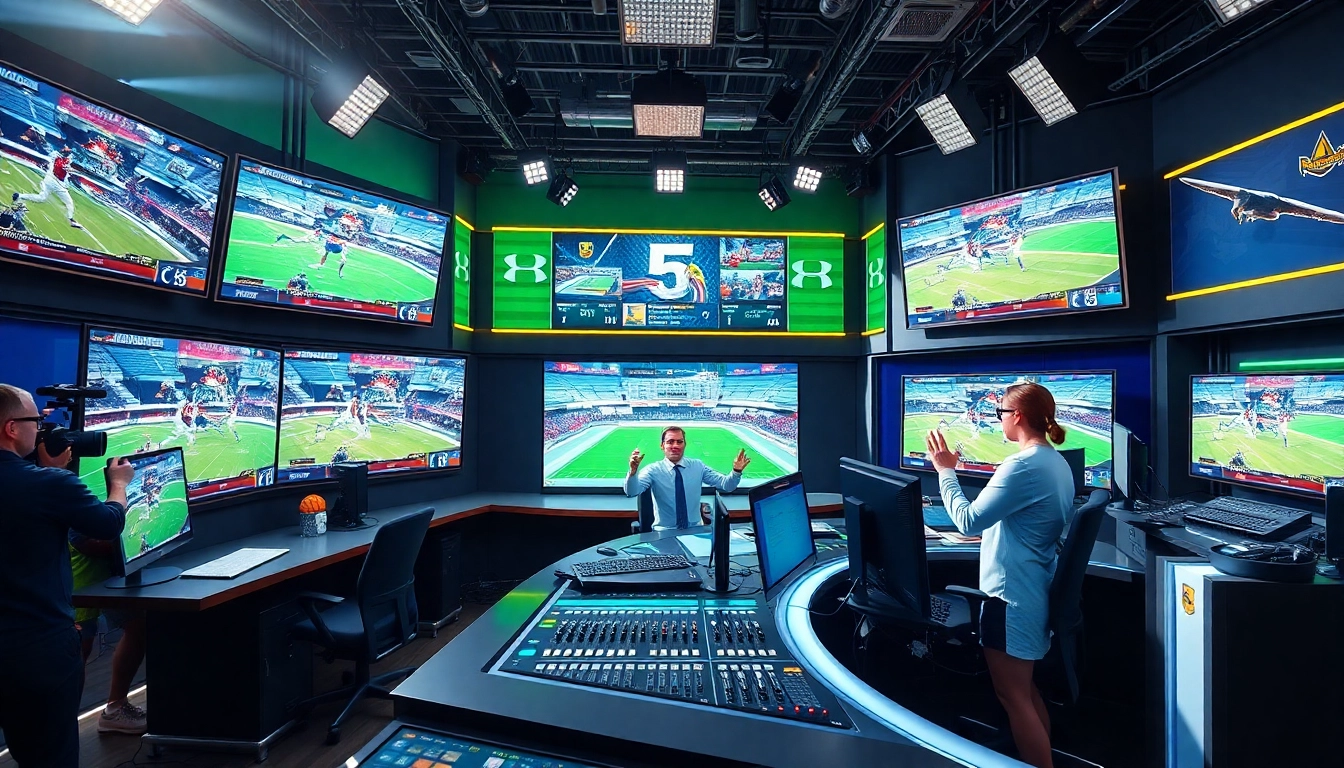
Understanding Sports Broadcasting
Definition and Importance of Sports Broadcasting
Sports Broadcasting is a specialized field within the media landscape that focuses on delivering live and recorded sports events to audiences through various channels, including television, radio, and online platforms. Its importance cannot be overstated, as it serves as the primary link between fans and their favorite sports. By providing real-time updates, expert analyses, and compelling narratives, Sports Broadcasting engages millions of viewers, generates substantial revenue for networks and advertisers, and fosters a sense of community among fans.
The Evolution of Sports Broadcasting
The journey of sports broadcasting began in the early 20th century with radio broadcasts that allowed listeners to follow sporting events from afar. As technology progressed, television emerged as a game-changer, providing a visual dimension to sports entertainment. Notably, the introduction of color TV and satellite broadcasting revolutionized how audiences consumed sports, allowing for the sharing of events globally. Today, the rise of digital platforms and streaming services has further transformed sports broadcasting, enabling instant access and on-demand viewing, catering to changing consumer preferences and lifestyles.
Key Players in Sports Broadcasting
The sports broadcasting industry is populated by various key players, including major networks, local broadcasters, online streaming services, and production companies. Networks like ESPN, NBC Sports, and CBS Sports invest heavily in acquiring rights to broadcast major sports leagues and events. Local broadcasters contribute by covering regional sports, offering fans coverage of local teams and events that national networks may overlook. Additionally, the emergence of online streaming platforms such as Amazon Prime Video and DAZN has introduced competitive dynamics, prompting traditional broadcasters to innovate and adapt to retain their audience.
Essential Technologies in Sports Broadcasting
Broadcasting Equipment Needed
To run effective sports broadcasting, organizations must invest in top-tier broadcasting equipment. Essential tools include high-definition cameras capable of capturing fast-paced action in detail, professional-grade microphones for clear audio, and specialized mixing consoles for sound management. Graphics generators and replay systems are equally crucial, enhancing the viewing experience by providing dynamic visuals and instant highlights. As technology advances, virtual reality and augmented reality are also becoming integral in creating immersive sports broadcasting experiences.
Software Solutions for Live Sports Coverage
Modern sports broadcasting relies heavily on sophisticated software solutions that enable live coverage, editing, and analytics. Video production software facilitates live editing, allowing broadcast teams to seamlessly switch between different camera angles and incorporate graphics in real-time. Cloud-based solutions help in managing content libraries and automate workflows. Data analytics software is critical for gathering viewer insights, informing strategies, and enhancing future broadcasts based on audience preferences and behaviors.
Streaming Platforms and Their Role in Sports Broadcasting
Streaming platforms have dramatically altered the sports broadcasting landscape, providing viewers with unprecedented flexibility in how and when they watch sports. Services such as Netflix and Hulu have transitioned from traditional models to include sports content, while dedicated sports streaming services like ESPN+ have emerged. These platforms offer viewers the ability to customize their viewing experience, including the option to watch highlights, follow specific leagues or teams, and receive tailored content based on their interests, effectively broadening the audience base and engaging viewers who prefer digital consumption over traditional broadcasting.
Developing Engaging Content for Sports Broadcasting
Creating Captivating Sports Commentaries
Sports commentaries play a vital role in enhancing the viewing experience. A captivating commentary involves a blend of expert insights, storytelling, and dynamic delivery to keep audiences engaged. Broadcasters need to analyze players’ performances, discuss strategies, and capture the emotional essence of the game. Utilizing humor, personal anecdotes, and relatable narratives can create a connection with the audience, making the broadcast feel more immersive and personal.
Incorporating Statistics and Analysis into Broadcasts
Statistics and analysis are foundational to informed sports broadcasting. Broadcasters should present key metrics that provide context to the game, such as player statistics, historical performance data, and injury reports, enabling audiences to better appreciate the significance of plays and decisions. Visual aids like charts and infographics can effectively communicate complex data, making it accessible and engaging for viewers. This analytical depth not only informs but also enhances the entertainment value of the broadcast.
Using Entertainment to Enhance Viewer Experience
To stand out in the competitive sports broadcasting landscape, leveraging entertainment elements is essential. Integrating celebrity guest appearances, interactive social media segments, or fan-generated content can elevate traditional broadcasts, catering to diverse audience preferences. Furthermore, incorporating live events such as trivia games or Q&A segments fosters viewer participation and creates a more interactive atmosphere, ensuring audiences remain engaged throughout the broadcast.
Best Practices for Successful Sports Broadcasting
Building a Brand Identity in Sports Broadcasting
Establishing a strong brand identity is crucial for broadcasters. This involves defining the brand’s voice, mission, and values, which should resonate with target audiences. Content consistency, visual branding, and cultivating a unique narrative style help build recognition and loyalty among viewers. A robust social media presence amplifies brand identity, creating platforms for interaction and community engagement, which are vital for long-term success in sports broadcasting.
Engaging with the Audience: Techniques and Tools
Engagement strategies are vital in retaining audience attention. Tools like interactive graphics, live polls, and social media integration provide viewers with opportunities to express their opinions and feelings, fostering a sense of community. Segmenting audiences based on demographics and preferences allows broadcasters to tailor content effectively, enhancing relevance and connection. Observing audience feedback and adapting content accordingly can further strengthen viewer loyalty, ensuring broadcasts resonate with target demographics.
Collaborating with Teams and Athletes for Authentic Content
Developing collaborations with teams and athletes enhances authenticity in sports broadcasting. Exclusive interviews, behind-the-scenes access, and participatory content can provide fans with a unique perspective and foster a deeper connection to their favorite teams and players. Establishing relationships with athletes for joint promotional opportunities can also drive viewership. Maintaining transparency and focusing on storytelling can help present athletes as relatable figures, further enriching the broadcast narrative.
Measuring Success in Sports Broadcasting
Key Metrics to Track Performance
To evaluate the effectiveness of a sports broadcasting strategy, several key metrics should be monitored. Viewership numbers provide insight into how many people are tuning in, while engagement rates and audience retention metrics can pinpoint how well the content captivates viewers. Tracking social media interactions and audience feedback scores can further measure brand resonance and viewer satisfaction, ensuring that broadcasters continuously refine and adapt their strategies to remain relevant in a dynamic landscape.
Analyzing Viewer Engagement and Feedback
Analyzing viewer engagement is critical for success in sports broadcasting. Using analytics tools to assess audience behavior, including how long they watch, when they disengage, and their feedback, provides invaluable insights. Surveys and online polls can be instrumental in gathering qualitative feedback directly from viewers, which helps identify areas for improvement and opportunities for innovation. By understanding viewer preferences, broadcasters can adjust content and delivery methods to create more satisfying viewer experiences.
Adapting Strategies Based on Performance Data
Successful sports broadcasters must be agile in adapting their strategies based on performance data. Regularly reviewing analytics allows broadcasters to identify trends and make informed decisions. For instance, if certain types of content lead to higher engagement, a broadcaster can increase that content’s frequency. A proactive approach to adaptation ensures that broadcasters remain aligned with audience preferences, ultimately maximizing reach and enhancing viewer satisfaction.
FAQs
What is the role of a sports broadcaster?
A sports broadcaster presents and analyzes live sporting events, engages fans, and provides insights into the sport’s nuances.
How has technology changed sports broadcasting?
Technology has revolutionized sports broadcasting by enabling live streaming, enhancing graphics, and providing instant replays for viewers.
What equipment is essential for a sports broadcasting studio?
Essential equipment includes cameras, microphones, mixing devices, and broadcasting software to deliver high-quality content.
How can I engage an audience in sports broadcasting?
Engage audiences through interactive content, viewer polls, and by creating dynamic discussions between hosts and guests.
What metrics should I track in sports broadcasting?
Track metrics such as viewership numbers, engagement rates, audience retention, and feedback scores to measure success.