admin
admin 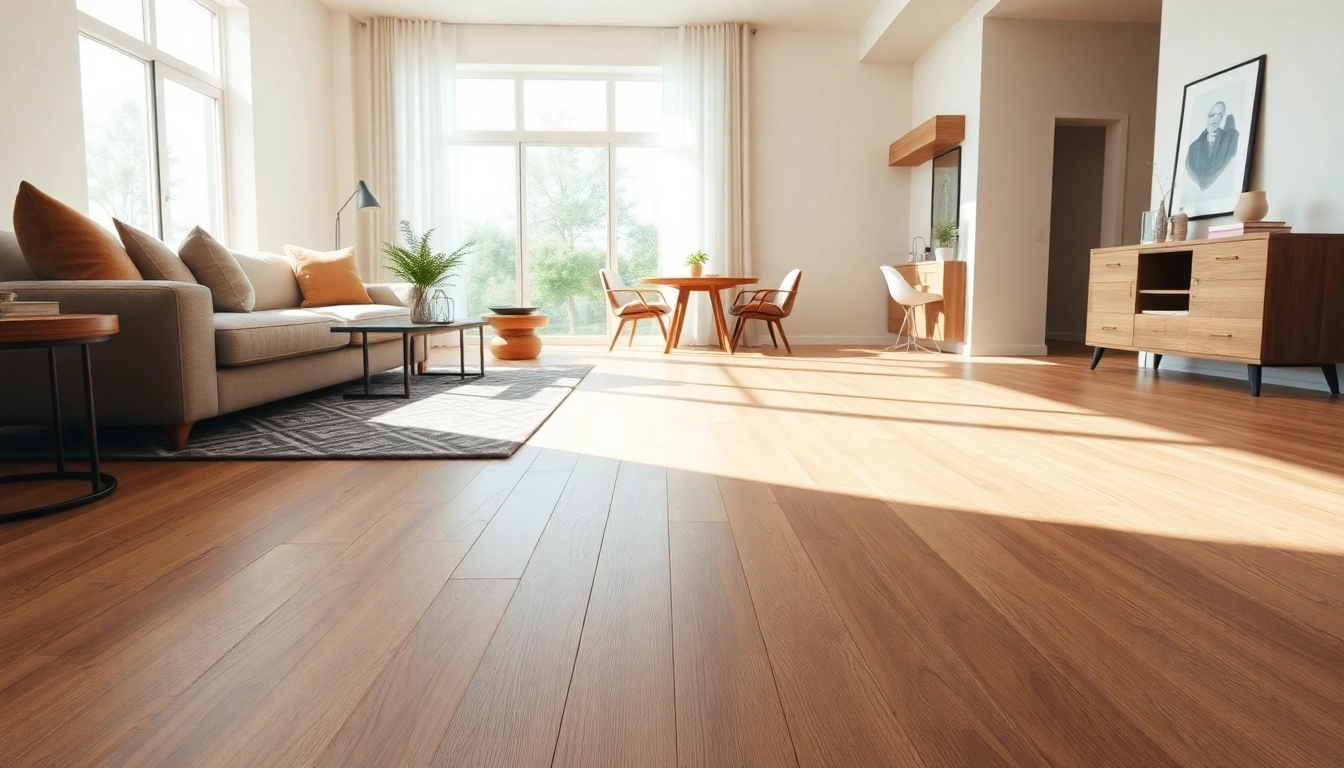
Understanding Vinyl Plank Flooring
What is Vinyl Plank Flooring?
Vinyl plank flooring is a popular choice among homeowners and businesses looking for a durable, stylish, and cost-effective flooring solution. This type of flooring mimics the appearance of natural materials like hardwood or stone while offering enhanced moisture resistance and ease of maintenance. Made from layers of plastic and vinyl, vinyl plank flooring comes in various formats, including rigid and flexible planks, to cater to different needs and preferences. In essence, it combines aesthetic appeal with practical benefits, making it an ideal selection for many environments. For those considering upgrading their flooring options, exploring vinyl plank flooring might be an excellent start.
Benefits of Vinyl Plank Flooring
One of the standout features of vinyl plank flooring is its versatility and array of benefits. Here are some of the most significant advantages:
- Water Resistance: Many vinyl plank flooring products are designed to be 100% waterproof, making them especially suitable for kitchens, bathrooms, and basements.
- Durability: Resistant to scratches, dents, and stains, vinyl plank flooring can withstand high foot traffic, making it an ideal choice for busy households and commercial spaces.
- Easy Installation: With options for glue-down, click-lock, and loose lay installation methods, many homeowners can install it themselves without needing professional assistance.
- Cost-Effective: Offering the look of luxury materials like hardwood at a fraction of the cost, vinyl plank flooring provides excellent value.
- Comfort and Warmth: Unlike tile or stone flooring, vinyl plank flooring feels warmer underfoot and can help reduce noise levels in a room.
- Variety of Designs: Available in a vast range of colors, styles, and textures, it can match any décor, enhancing your home’s aesthetic.
Common Uses for Vinyl Plank Flooring
Vinyl plank flooring’s versatility makes it suitable for various settings. Here are some common applications:
- Residential Settings: It’s widely used in homes, especially in living rooms, kitchens, bedrooms, and hallways, where durability and aesthetics are desired.
- Commercial Spaces: Retail environments, restaurants, and offices often utilize vinyl plank flooring for its resilience and low maintenance requirements.
- Hospitality Sector: Hotels and hospitality venues favor it for its ease of cleaning and ability to create a welcoming ambiance.
- Healthcare Facilities: Vinyl plank flooring is used in hospitals and clinics, thanks to its hygiene features and resistance to chemicals and moisture.
Choosing the Right Vinyl Plank Flooring
Factors to Consider When Selecting Vinyl Plank Flooring
When selecting the ideal vinyl plank flooring for your space, consider several factors:
- Purpose: Determine the primary function of the space. High-traffic areas may require more durable options, while bedrooms can prioritize comfort.
- Water Resistance: If placing the flooring in areas prone to moisture, such as bathrooms or kitchens, opt for waterproof products.
- Design Preference: Consider the aesthetic of your home. Choose colors and patterns that complement your existing décor.
- Installation Method: Decide whether you want a DIY installation or prefer professional assistance, as this can influence your choice of flooring type.
- Budget: Assess your budget for purchasing and installation, as costs can vary significantly among styles and quality.
Different Types of Vinyl Plank Flooring
Understanding the different types of vinyl plank flooring will help you make an informed choice:
- Luxury Vinyl Plank (LVP): Known for its high-quality design and construction, LVP offers outstanding durability and great looks, suitable for any area in the home.
- Standard Vinyl Plank: Typically more affordable, this option may lack some of the performance features of LVP but remains a solid choice for various applications.
- Waterproof Vinyl Plank: Engineered to provide maximum resistance to water, this type is perfect for areas like bathrooms and kitchens where spills and moisture are common.
Color and Style Trends in Vinyl Plank Flooring
The design landscape for vinyl plank flooring continues to evolve, reflecting the latest trends in interior design. Current trends include:
- Natural Wood Looks: Realistic wood grain patterns remain a favorite, offering warmth and elegance to spaces.
- Distressed Finishes: Planks with rustic or weathered appearances add character to the floors, appealing to homeowners seeking a vintage or farmhouse style.
- Tile Looks: Vinyl planks mimicking ceramic or stone tiles provide durability and ease of maintenance without sacrificing style.
- Bold Colors: Stepping away from traditional neutral palettes, bold hues like deep blues or rich greens are gaining popularity, making a striking statement in home design.
Installation Process for Vinyl Plank Flooring
Preparing Your Space for Installation
Before installing vinyl plank flooring, adequate preparation of the space is essential:
- Clean the Area: Remove old flooring and thoroughly clean the subfloor to create a smooth surface for installation.
- Check for Moisture: Ensure the subfloor is dry to prevent future issues with mold or mildew.
- Acclimate the Planks: Allow the vinyl planks to acclimate to the room’s temperature and humidity for 24-48 hours before installation.
- Plan the Layout: Determine the direction in which the planks will be laid, which often depends on the room’s shape and lighting.
Step-by-Step Installation Guide
Installing vinyl plank flooring can be a rewarding DIY project. Here’s a simplified guide:
- Start by measuring the room and cutting the planks to fit as necessary, ensuring you account for any edges or corners.
- Begin laying the planks from the left side of the room, securing them as per the chosen installation method (click-lock, adhesive, etc.).
- Continue laying the planks in rows, ensuring to stagger their ends for a natural appearance and to strengthen stability.
- Finish by installing any transitions, trims, or moldings to complete the look and ensure smooth transitions to adjacent flooring types.
Common Installation Mistakes to Avoid
Being aware of common pitfalls can help ensure a smooth installation process:
- Poor Subfloor Preparation: Neglecting to clean and repair the subfloor can lead to uneven surfaces and flooring issues.
- Not Allowing for Expansion: Failing to leave adequate gaps along walls for expansion can cause warping and buckling.
- Skipping Acclimation: Installing planks without proper acclimation may lead to size fluctuations and gaps in joints.
- Incorrect Installation Direction: Laying planks against the natural light or flow of the room can make seams more visible and affect aesthetics.
Maintaining Vinyl Plank Flooring
Daily Care Tips for Vinyl Plank Flooring
Proper maintenance is essential for extending the life of your vinyl plank flooring. Here are some daily care tips:
- Sweep Regularly: Remove dirt and debris daily to prevent scratches and stains.
- Mop with Care: Use a damp mop with a gentle cleaner specifically designed for vinyl flooring to avoid damage.
- Avoid Harsh Chemicals: Steer clear of abrasive cleaners, scrub brushes, or bleach to protect the surface.
- Use Floor Mats: Place mats at entrances to trap dirt and moisture before it reaches your flooring.
Long-Term Maintenance Strategies
For long-term care of vinyl plank flooring, consider these strategies:
- Routine Deep Cleaning: Perform a deep cleaning every few months using a specific vinyl floor cleaner to maintain its shine and appearance.
- Furniture Protection: Use furniture pads under the legs of chairs and tables to prevent scratches and dents.
- Address Damage Immediately: Promptly deal with scuffs, scratches, or dents to prevent them from worsening.
Dealing with Scratches and Damage
Even with careful maintenance, scratches and damage may occur. Here’s how to address these issues:
- Minor Scratches: Many minor scratches can be buffed out with a soft cloth or a vinyl flooring repair kit.
- Deep Scratches or Gouges: For more extensive damage, consider using a patching compound specifically designed for vinyl flooring or consult a professional.
- Replacement Planks: If the damage is beyond repair, the affected plank can usually be replaced without needing to redo the entire floor.
Frequently Asked Questions about Vinyl Plank Flooring
Is vinyl plank flooring waterproof?
Many vinyl plank flooring options are waterproof, making them suitable for moisture-prone areas like kitchens and bathrooms.
How long does vinyl plank flooring last?
With proper maintenance, vinyl plank flooring can last between 10 to 30 years, depending on the quality and wear layer thickness.
Can I install vinyl plank flooring myself?
Yes, vinyl plank flooring is designed for easy installation, allowing many homeowners to tackle the project themselves if desired.
Is vinyl plank flooring eco-friendly?
Some manufacturers produce eco-friendly vinyl plank flooring that uses recycled materials and adheres to sustainability practices, but check certifications.
How do I clean vinyl plank flooring effectively?
Regular sweeping and mopping with a vinyl-safe cleaner will keep your flooring clean without causing damage or buildup.