Understanding Underground Leak Detection
Underground leak detection is a crucial service that helps homeowners and property managers identify hidden water leaks that can lead to severe damage, increased utility bills, and an array of structural issues. Leaks often develop unnoticed beneath the surface, making early detection vital to prevent extensive damage to your property. In this comprehensive guide, we’ll explore the various methods used in underground leak detection, the common causes of such leaks, and the importance of timely intervention. When exploring options, underground leak detection services can provide invaluable assistance in identifying and resolving these issues efficiently.
What is Underground Leak Detection?
Underground leak detection involves the use of advanced technologies and methods to locate leaks in buried pipes, whether they carry water, gas, or other fluids. This specialized service is vital for maintaining the integrity of plumbing systems in residential and commercial properties. Technicians deploy a variety of tools, such as acoustic sensors, thermal imaging, and tracer gas detection, to pinpoint the exact location of leaks without causing damage to the surrounding area.
Common Causes of Underground Water Leaks
- Pipe Corrosion: Metal pipes are susceptible to rust and corrosion over time, leading to leaks.
- Ground Shifts: Natural ground movement, such as settling or seismic activity, can cause pipes to crack or break.
- Tree Root Intrusion: Roots can penetrate underground pipes, causing blockages and leaks.
- High Water Pressure: Excessively high pressure can strain pipes, leading to ruptures.
- Extreme Weather: Temperature fluctuations can impact the integrity of pipes, particularly in areas prone to freezing.
The Importance of Timely Detection
Addressing leaks promptly is essential to mitigate risks associated with water damage, increased utility costs, and potential health hazards like mold growth. Early detection can save homeowners significant amounts of money by preventing larger repair costs and preserving the value of the property. Additionally, leaks can compromise the structural integrity of a building, leading to unsafe living conditions. Therefore, understanding how to identify the warning signs and knowing when to call for professional help is paramount.
Advanced Technologies in Leak Detection
How Thermal Imaging Works for Leak Detection
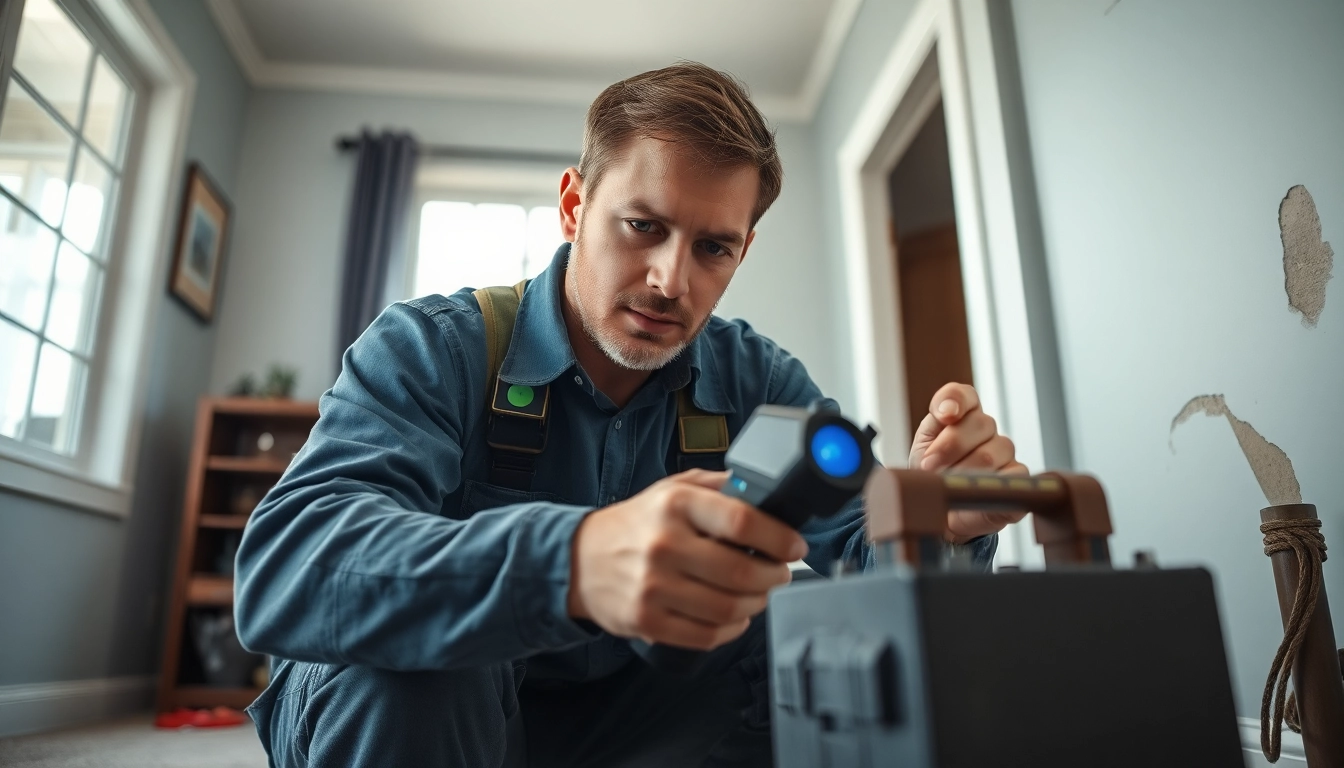
Thermal imaging is a non-invasive method that detects temperature variations caused by moisture from leaks. By utilizing infrared cameras, technicians can visualize heat signatures on walls, floors, and ceilings, revealing areas where water is escaping. This technology is beneficial for identifying leaks that are otherwise hidden from view, as it minimizes the need for invasive inspection methods.
Utilizing Acoustic Sensors for Accuracy
Acoustic leak detection involves the use of sensitive microphones and sound amplification devices to detect the sounds of water escaping from pipes. This method allows professionals to pinpoint leaks even when they are buried deep underground. By listening for the distinct sounds made by escaping water, technicians can effectively locate leaks with impressive accuracy.
Pressure Testing: A Proactive Approach
Pressure testing is a method used to assess the integrity of plumbing systems by isolating sections of pipework and monitoring pressure changes. If pressure drops unexpectedly, it indicates a potential leak. This proactive approach is particularly useful for identifying leaks in both above-ground and underground systems before they escalate into more significant issues.
Step-by-Step Process for Homeowners
Initial Signs of a Potential Leak
Homeowners should be vigilant for signs that may indicate a hidden leak. Common warning signs include an unexplained increase in water bills, the presence of damp patches on floors or walls, mold growth, and the sound of running water when all appliances are turned off. If you notice any of these signs, it may be time to investigate further.
DIY Methods for Leak Identification
Before calling a professional, there are several DIY methods homeowners can use to identify potential leaks. These include:
- Checking water meter readings to monitor usage.
- Inspecting visible pipes for signs of corrosion or moisture.
- Conducting a dye test in toilets to see if there is a leak.
- Examining the ground around the property for areas of unusually lush vegetation, which may indicate a hidden leak.
When to Call a Professional Leak Detection Service
If initial investigations suggest a hidden leak, or if signs of damage are apparent, it’s crucial to engage a professional leak detection service. Experts have the equipment and experience necessary to quickly and accurately locate leaks without causing disruption to your property. Calling for professional assistance is especially important if you suspect a gas leak, as this poses serious safety risks.
Cost Considerations and Budgeting
Average Costs for Professional Leak Detection Services
The cost for professional underground leak detection services varies widely based on location, complexity, and equipment used. Typically, homeowners can expect to pay between £550 and £1,250 in the UK. Factors influencing costs include the type of technology employed, the extent of damage caused by the leak, and the location of the leak itself.
Cost-Effective DIY Solutions
Homeowners can consider implementing some cost-effective measures to both detect and prevent leaks. Simple approaches include regularly checking exposed plumbing, insulating pipes, and maintaining landscaping to avoid root intrusion into pipes. However, for more complex issues, relying on professional expertise is often more prudent.
Evaluating the Long-Term Savings from Early Detection
Investing in leak detection services can yield significant savings in the long run. By addressing leaks early, homeowners can avoid costly repairs, damage to property, and increased utility bills. Prioritizing leak detection not only maintains the property's value but also ensures a safe and healthy living environment.
Future Trends in Leak Detection Services
Emerging Technologies to Watch in 2025
As technology continues to advance, the leak detection industry is expected to evolve significantly. Innovations such as AI-powered monitoring systems, drones for aerial inspections, and enhanced acoustic sensing technologies will likely improve detection capabilities. These advances will enable quicker, more accurate diagnostics, reducing the time and cost associated with leak detection.
Integrating Smart Home Systems for Leak Monitoring
Homeowners are increasingly adopting smart home technologies that can integrate leak detection systems. These systems can provide real-time alerts on leaks through smartphone applications, enabling immediate action. Such proactive monitoring solutions enhance safety and provide peace of mind to homeowners.
Predictions for the Leak Detection Industry
The future of the leak detection industry looks promising. With a growing emphasis on sustainability and resource conservation, effective leak detection will play a critical role in reducing water waste and promoting efficient plumbing systems. As environmental concerns increase, the demand for advanced leak detection solutions is expected to rise, benefiting both consumers and service providers.