Understanding Leak Detection: What Every Homeowner Should Know
In today’s fast-paced world, the importance of maintaining a safe and efficient home cannot be overstated. One critical aspect often overlooked is leak detection. Leaks, if left undetected, can lead to significant water damage, mold growth, and increased utility bills. By understanding the essentials of leak detection, homeowners can protect their properties and their finances effectively. This article aims to provide insights into the importance of early detection, common types of household leaks, and the technologies that simplify this essential task.
The Importance of Early Leak Detection
Detecting leaks early is paramount for several reasons. First, it can save homeowners substantial amounts on repairs and water bills. A small leak that goes unnoticed can waste thousands of gallons of water over time, leading to increased utility costs and potential damage to the property. Moreover, undetected leaks can create an environment conducive to mold growth, posing health risks to the inhabitants. When leaks are detected early, they can often be repaired quickly and at a lower cost than extensive damage that follows prolonged exposure.
Common Types of Household Leaks
Household leaks can manifest in various forms, each with its unique implications. Here are a few common types:
- Water Supply Leaks: These often occur in the main water supply line or connected pipes, causing water to seep into walls or foundations.
- Drainage Leaks: Leaks from drainage systems can lead to unpleasant odors and environmental hazards if not addressed promptly.
- Heating System Leaks: Leaks in heating systems, including boilers and radiators, can lead to inefficient heating and higher energy costs.
- Gas Leaks: These are particularly hazardous and require immediate professional intervention to ensure the safety of the home.
Advanced Technologies for Reliable Leak Detection
Employing advanced technologies has revolutionized leak detection, making it more accurate and less intrusive than ever before. The latest methods allow professionals to identify leaks with minimal disruption to the property.
The Role of Thermal Imaging in Detecting Leaks
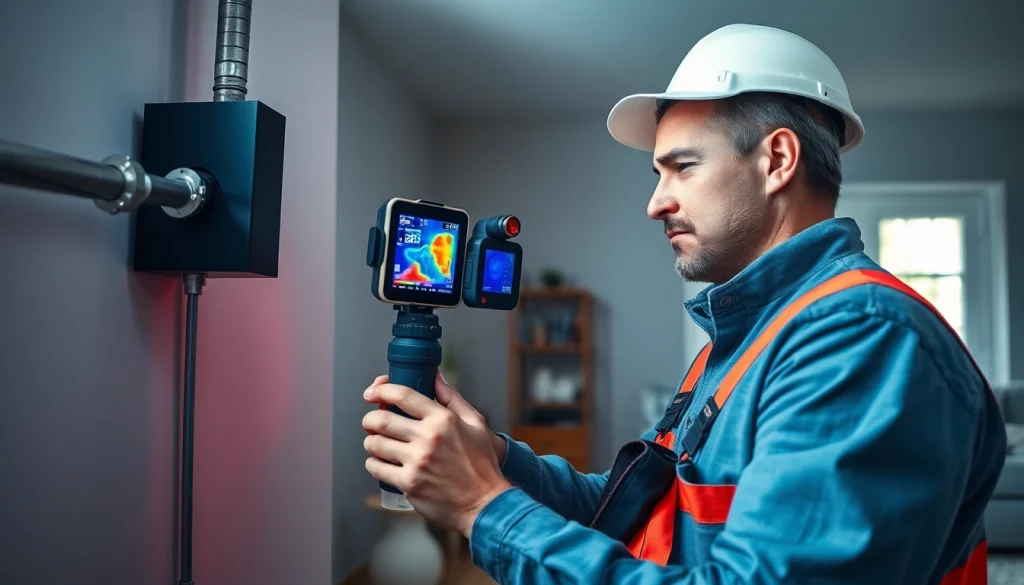
Thermal imaging cameras detect heat differences caused by water leaks. This method enables leak detection professionals to visualize potential issues without invasive methods. For instance, temperature discrepancies can indicate moisture behind walls or under floors, guiding technicians to the source of a problem quickly.
Acoustic Listening Devices: How They Work
Acoustic listening devices enhance the ability to detect leaks based on sound. These devices amplify the noise of water escaping from pipes, even if they are buried underground. This technology is particularly useful for pinpointing leaks in hard-to-reach areas, reducing the need for extensive excavation.
Tracer Gas Detection: A Safe and Effective Method
This method involves introducing a safe, odorless gas into the pipes. The gas escapes at the point of a leak, where it can then be detected on the surface. Tracer gas detection is especially useful for identifying small or hidden leaks that traditional methods may miss.
Non-Invasive Leak Detection Methods: Minimizing Property Damage
One of the significant advancements in leak detection is the focus on non-invasive methods. These techniques help to minimize property damage while accurately locating leaks.
Benefits of Non-Destructive Techniques
- Preservation of Property: Non-invasive methods mean fewer walls need to be taken down or floors removed, preserving the aesthetic and structural integrity of the home.
- Cost-Effectiveness: Reducing damage equates to lower repair costs, making these methods financially advantageous in the long run.
- Quick Turnaround: Non-invasive techniques often lead to faster repairs, allowing residents to return to their normal routines sooner.
How to Choose a Professional Leak Detection Service
When selecting a leak detection service, homeowners should consider several factors:
- Experience and Qualifications: Look for services with certified technicians and a history of successful leak detections.
- Technology Utilization: Companies that use advanced technologies are likely to provide faster and more accurate services.
- Customer Reviews: Research customer feedback and ratings to ensure reliability and quality service.
Case Studies: Successful Non-Invasive Leak Resolutions
Consider the case of a homeowner who suspected a leak under their tile flooring. Using thermal imaging technology, the leak detection professionals identified the issue without removing any tiles, allowing for a focused repair that saved the homeowner both time and money. Such success stories highlight the effectiveness of modern leak detection methods.
Cost Implications of Leak Detection: What to Expect
Understanding the financial aspects of leak detection can help homeowners make informed decisions regarding their plumbing maintenance and repair strategies.
Average Costs and Factors Influencing Pricing
The cost of leak detection services can range widely, depending on factors such as the type of leak, the location, and the technology used. Typically, homeowners may pay between $150 to $600 for detection services. However, considering the costs associated with undetected leaks, investing in professional detection can save money in the long term.
Assessing Long-term Savings from Effective Leak Detection
Effective leak detection can lead to substantial savings over time. For example, by catching a small leak early, homeowners can avoid costly repairs for water damage, mold remediation, and increased utility bills. Proactive leak detection should be considered a vital component of home maintenance.
Insurance Coverage for Leak Detection Services
Many homeowners’ insurance policies cover leak detection and repairs, but specifics can vary greatly. It’s essential to review your policy to understand what is included, as well as any requirements that need to be met for a claim to be valid. Being informed can save you from unexpected expenses when leaks are discovered.
The Future of Leak Detection: Trends to Watch for in 2025
The leak detection industry is evolving, with new trends emerging that promise to enhance efficiency and accuracy. As technology continues to advance, homeowners can expect even more reliable solutions.
Emerging Technologies in Leak Detection
Innovations such as AI-driven diagnostics and IoT-integrated leak detection systems are making waves in the industry. These technologies can provide real-time monitoring and alerts, making it easier for homeowners to stay ahead of potential issues.
Eco-Friendly Leak Detection Practices
As environmental concerns grow, so does the demand for eco-friendly practices. Future leak detection methods may prioritize sustainable approaches, minimizing waste and promoting energy efficiency.
Preparing Your Home for the Future of Leak Management
To stay ahead of potential leaks, homeowners should consider installing smart water monitoring systems and ensuring their plumbing is regularly inspected. Knowledgeable homeowners will be better equipped to handle leaks as technologies continue to advance.