admin
admin 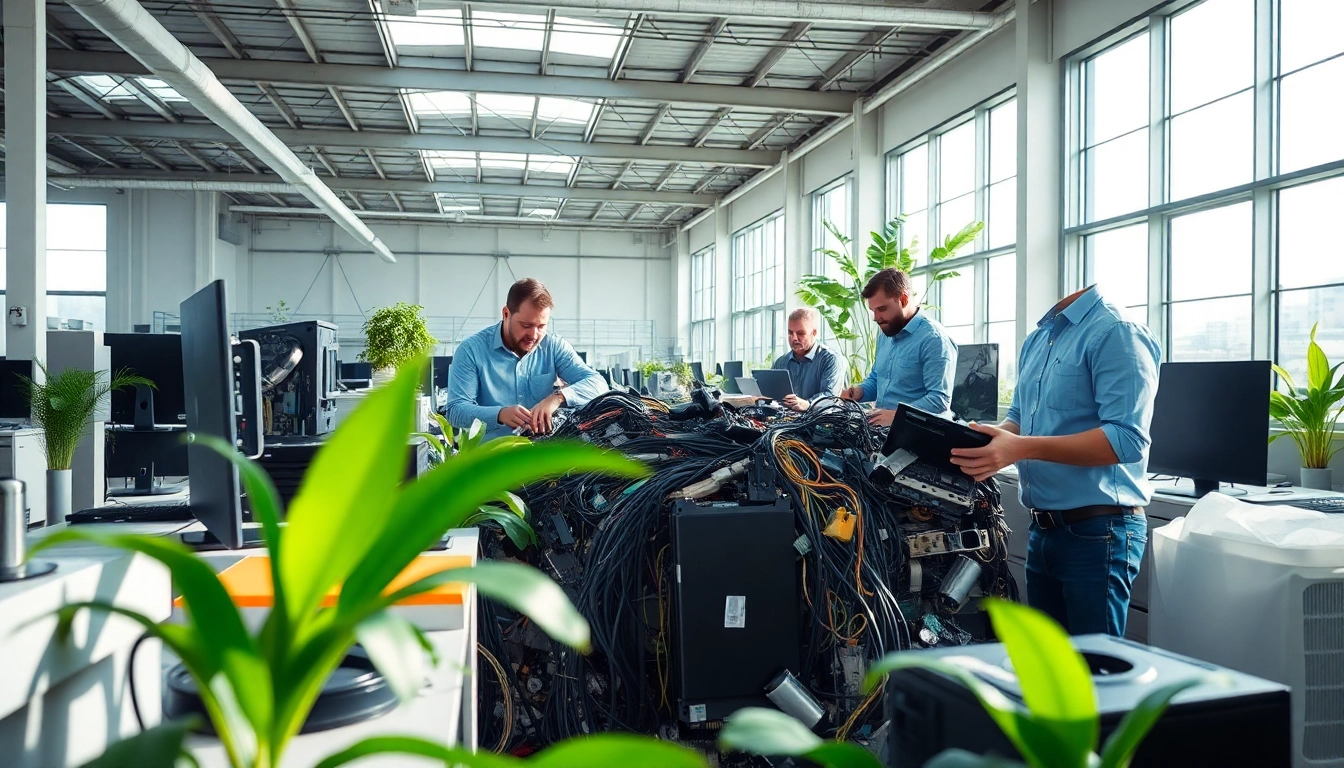
Understanding IT Recycling Newbury
In today’s digital age, the rapid advancement of technology often leads to the accumulation of electronic waste, commonly referred to as e-waste. This phenomenon has given rise to the pressing need for effective recycling practices. it recycling newbury serves as an essential service not only for individuals but also for businesses aiming to responsibly dispose of outdated or faulty electronic devices. This article delves into the fundamentals of IT recycling, its importance, and its impact on local communities.
What is IT Recycling?
IT recycling encompasses the process of collecting and processing unwanted electronic devices in a manner that minimizes environmental impact. It involves the safe disposal and recycling of items such as computers, phones, printers, and other tech equipment. The methods of recycling vary; some devices can be refurbished and reused, while others may be disassembled for valuable parts and materials.
Importance of Recycling Electronics
Recycling electronics is critical for several reasons. Firstly, it helps to prevent hazardous materials, such as heavy metals and chemicals, from leaching into the environment. Secondly, it conserves natural resources by recovering valuable materials, reducing the need for mining and manufacturing new products. Additionally, responsible recycling reduces the footprint of landfills, addressing waste management issues in communities.
How IT Recycling Benefits Local Communities
Local communities benefit from IT recycling through job creation in recycling facilities and related industries. Moreover, it fosters environmentally friendly practices, raising awareness about sustainability and conservation among residents. Community-driven recycling initiatives can unite residents in a shared goal, promoting a culture of responsibility towards electronic waste disposal.
Common IT Waste and Its Impact
The growth of technology has led to a vast array of electronic devices being disposed of every year. Understanding the types of waste produced and their impacts is crucial in addressing the e-waste crisis.
Types of Electronics Eligible for Recycling
Many types of electronics can be recycled, including but not limited to:
- Computers and laptops
- Monitors and televisions
- Printers and scanners
- Mobile phones and tablets
- All types of batteries
- Audio and video equipment
Most recycling facilities accept a wide range of these items, provided they are handled according to safety standards.
Environmental Consequences of E-Waste
E-waste has significant environmental impacts. When electronics are improperly disposed of, they can release toxic substances into the soil, water, and air. For example, heavy metals like lead and mercury found in devices can contaminate local ecosystems, leading to severe health risks for humans and wildlife. Proper recycling mitigates these risks by ensuring that hazardous materials are safely managed and recycled.
Health Risks Associated with Improper Disposal
Improper disposal of electronic waste can pose severe health risks. Exposure to hazardous materials found in e-waste can lead to long-term health problems, including respiratory issues, neurological disorders, and cancer. Workers involved in informal recycling methods often face the highest risks, making responsible recycling essential for public health protection.
Finding IT Recycling Centers in Newbury
Locating reliable IT recycling services in Newbury is a straightforward process, with several options available for responsible e-waste disposal.
Local Facilities for IT Recycling Newbury
Newbury hosts various certified recycling facilities equipped to handle a range of electronic devices. Local recycling centers are tailored to accommodate both individual and corporate needs, ensuring that e-waste is processed in compliance with environmental regulations.
Community-Driven Recycling Events
Community-driven recycling events provide an excellent opportunity for residents to dispose of their old electronics responsibly. These events are often organized periodically, encouraging community participation while promoting awareness about the importance of recycling.
Pickup Services for Bulk Items
Many recycling services offer pickup for bulk items, particularly beneficial for businesses or individuals with large quantities of e-waste. This convenient service ensures that electronic devices are collected safely and transported to recycling facilities, reducing the burden on the environment.
Best Practices for Responsible IT Recycling
Responsible IT recycling involves several best practices that ensure the process is both safe for the environment and compliant with legal requirements.
Steps for Properly Preparing Electronics
Before recycling your electronics, consider the following steps:
- Back up any important data from devices.
- Remove personal information and accounts.
- Disassemble if you are familiar with the process; if not, consult a professional.
- Sort devices by type to streamline the recycling process.
By following these steps, you help protect your personal information and facilitate a smoother recycling experience.
Data Destruction Methods Before Recycling
Data security is paramount when disposing of electronic devices. Effective data destruction methods include:
- Wiping data using specialized software.
- Physically destroying the hard drive.
Employing these methods ensures sensitive data is unrecoverable and helps mitigate the risks of identity theft.
Utilizing Eco-Friendly Recycling Solutions
Choosing local recycling facilities that adhere to environmentally friendly practices is crucial. Look for certifications and whether they are compliant with e-waste regulations. Eco-friendly recycling solutions often focus on maximizing resource recovery and minimizing environmental damage.
Monitoring and Metrics for Successful IT Recycling
To assess the effectiveness of IT recycling initiatives, monitoring and metrics are vital.
Tracking E-Waste Recycling Effectiveness
Establish key performance indicators (KPIs) to measure your recycling efforts. Metrics can include the amount of e-waste recycled, the percentage of items successfully refurbished, and environmental impact statistics. Regular assessment allows organizations to refine strategies and improve recycling outcomes.
Community Engagement and Participation
Engaging the community in recycling initiatives enhances participation rates. Share information on successes and educate the public through outreach programs. Encouraging local residents and businesses to join can create a culture of sustainability.
Future of IT Recycling in Newbury
As technology continues to evolve, the landscape of IT recycling also adapts. Innovations in recycling methods, increased public awareness, and stricter regulations are likely to shape future practices. A robust recycling framework in Newbury could lead to more sustainable tech usage and improved environmental outcomes.
Frequently Asked Questions
1. Where can I recycle my old electronics in Newbury?
You can recycle your old electronics at certified local recycling centers or participate in community events dedicated to e-waste collection.
2. Is it necessary to erase data before recycling?
Yes, it’s essential to erase personal data from devices before recycling to prevent identity theft and data breaches.
3. What happens to my electronics after recycling?
After recycling, electronics are processed for valuable materials, with hazardous components disposed of safely to minimize environmental impact.
4. Are there costs associated with IT recycling services?
Some local recycling facilities may charge fees for handling certain items, but many community events offer free recycling options.
5. How can I promote recycling in my community?
Encourage participation through informational events, social media campaigns, and collaboration with local organizations to raise awareness about recycling.